— for the people and the planet —
An off-grid, permaculture-led boutique retreat in Northern Palawan — earthen architecture, farm-to-table cuisine that heals, wellness, and direct access to world-class water sports. Now raising capital to bring Phase 1 to life.
The Concept
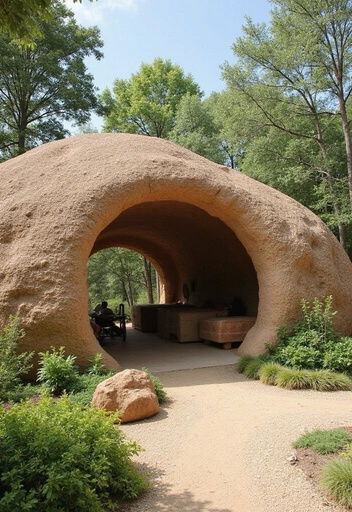
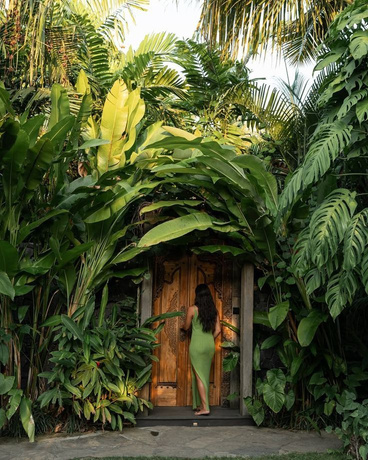
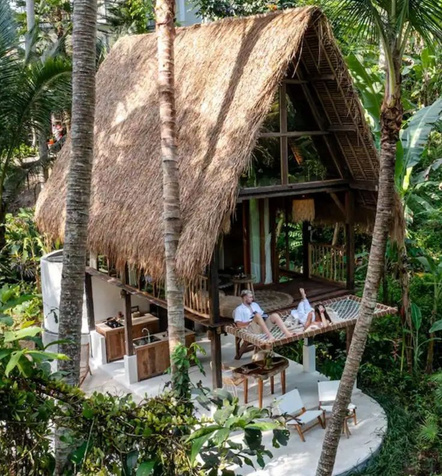
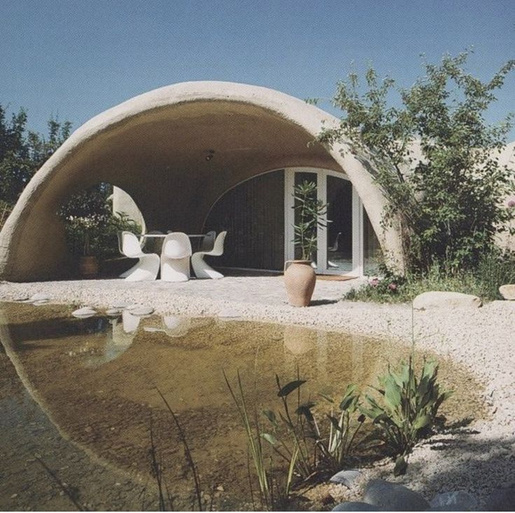
ATOA is an off-grid, regenerative resort overlooking Northern Palawan combining the beauty and functionality of earthen architecture with farm-to-table dining, focusing on local cuisine and traditions that heal mind and body. Daily activities include cultural experiences, mud-building, farm tours, yoga, meditation and educational opportunities, all in close proximity to incredible diving, surfing, kitesurfing, hiking, motorbike tours and so much more.
With four guest rooms, six budget-traveller dorm beds, a 40-seat modular restaurant ready for walk-ins and events, a carefully designed permaculture farm intended to protect and sustain endemic fauna and flora, wellness facilities, and partnered adventure experiences, ATOA is built small, highly-curated, and deeply rooted in expanding community and sustainability.
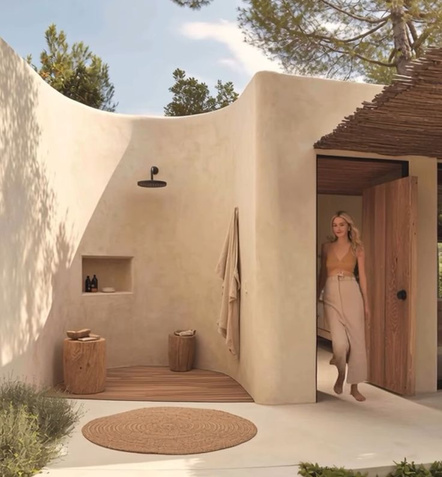
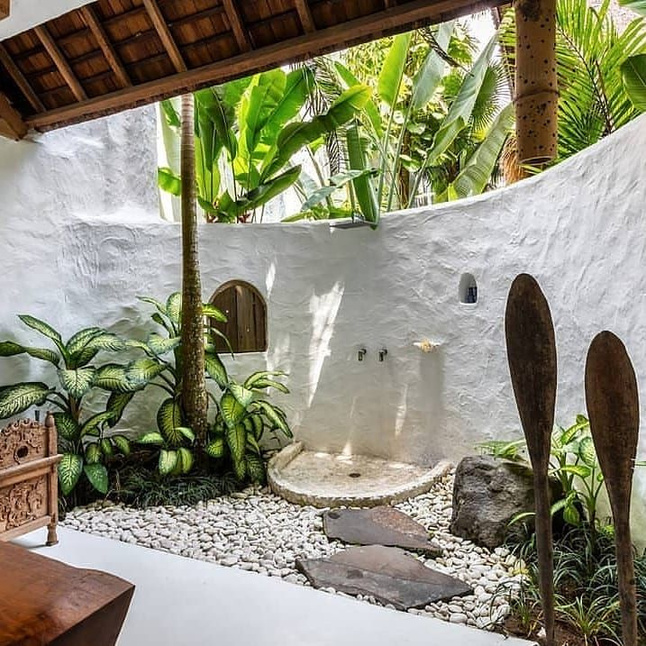
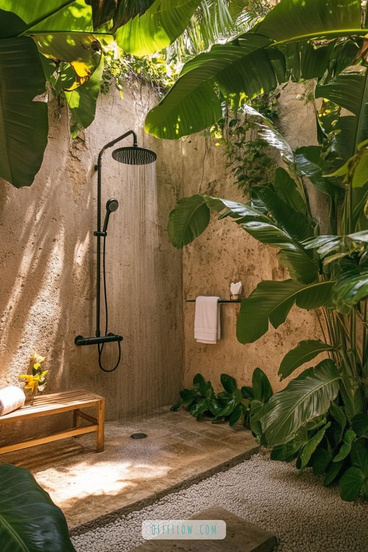
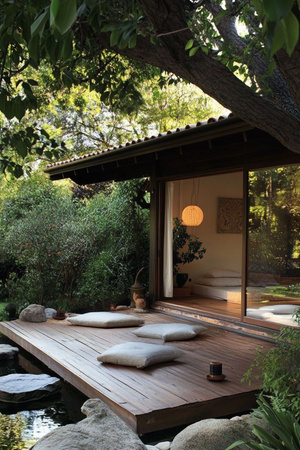
Filipino–Japanese earthen architecture, with nature as the focal point.
Why We Exist
To design a framework of conscious hospitality, one that heals detachment and invites intention. A model that shifts towards progress without degradation.
To be a vessel to reconnect to oneself, to heritage, to people and to the planet.
To pioneer a sustainable hospitality framework that guests can take with them, while supporting our local communities through programs to learn what we've achieved.
For ATOA to become an all-inclusive stay incorporating activities, food and beverage, and a hub for protecting endangered animals, growing endemic species, and supporting local craftsmen — a place communities and teachers use for retreats, integrated with the bigger picture around us.
Business Model
Revenue mix: rooms, restaurant & bar, wellness classes & spa, retreats and workshops, commission-based tours, volunteer fees, farm produce and merchandise. Low guest volume with curated programming — quality over quantity. A self-sustaining hotel that supports the people and the planet.
Permaculture Ethics
A focus on nurturing the environment — the idea that everything we create and every action taken will not harm or deplete the ecosystem, but instead help it thrive.
A focus on meeting the nutritional needs of people by creating food and housing sources that contribute to the health and sustainability of our future.
A focus on limiting over-consumption and sharing the abundance with others, including future generations — resources shared to create the largest, most positive impact.
Why ATOA?
A refreshing and educational experience in Northern Palawan that combines permaculture learning, earthen architecture, and proximity to adventure sports — a combination that's never been created on the island before.
First-of-its-kind on the island. Earthen (cob) architecture has not been used in any hospitality business in El Nido.
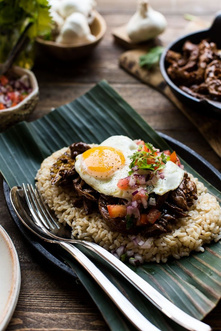
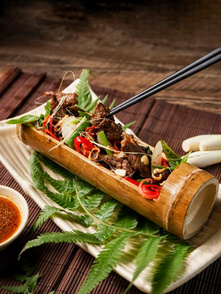
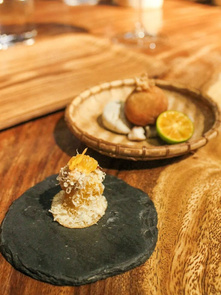
Culinary differentiation. Medicinal cocktails and an indigenous food focus, handpicked from the surroundings, set the F&B program apart.
Small scale, high personalization. Curated guest experience versus the crowded, high-volume El Nido market.
Unmatched adventure access. In-house yoga, island hopping with zero crowds, kitesurfing 300m away, surfing 10 minutes, pristine diving 20 minutes — a rare cross-over market, ideal for retreats and a range of demographics.
Volunteer learning program. Enables low-cost labour, deep community engagement, and organic marketing through volunteer networks.
A self-sustaining land model. Regenerative design where the land supports the business, and the business supports the land.
Community & livelihood impact. Intentions to support the local community with work opportunities, regenerative farming and natural building techniques, and professional hospitality skill-building. The design is being shaped on-site by permaculturist Ala and architect Amon — both established names in their fields — and the founders are active members of Kamalaya-an, a growing Philippine collective of natural builders, permaculturists, and educators building community and workshop opportunities nationwide.
Built for retreats. Purpose-built spaces and programming that attract wellness, education, and NGO-led retreat groups.
Market Opportunity
Demand for Palawan is accelerating, with El Nido recognized internationally as one of the most beautiful destinations in the world, yet no farm hospitality, earthen architecture or cultural experiences built to capture the soul of the island.
Source: Palawan Provincial Tourism Office / Palawan News regional tourism data, 2025.
What We Offer
Retreat quietly on your own, join a small program while you're here, or come for a scheduled learning experience — ATOA is built to meet you wherever you are in the journey.
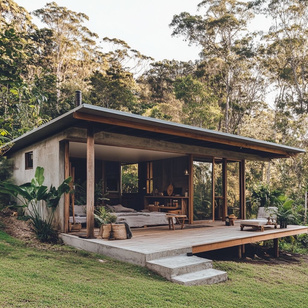
4 identical cob rooms — air-conditioned, ensuite, queen bed, private deck.
6 open-air dorm beds for budget travellers and volunteers.
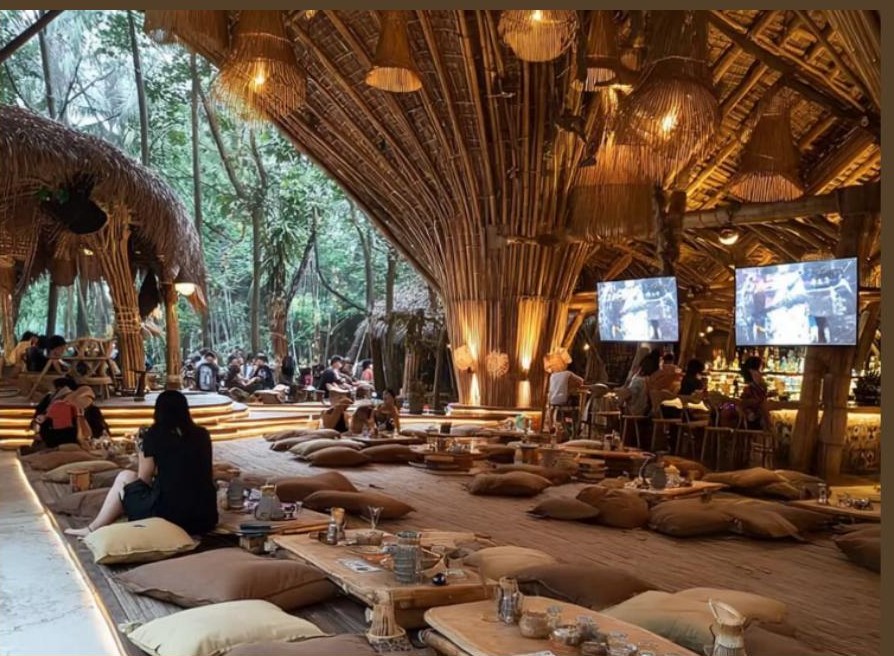
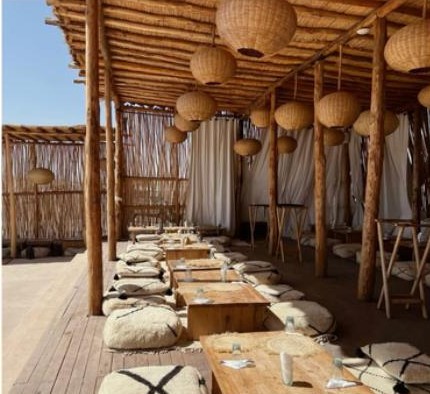
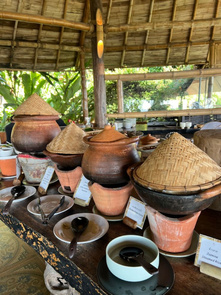
40-seat open, modular restaurant — farm-to-table Filipino upscale dishes; medicinal-plant cocktails ₱200–500.
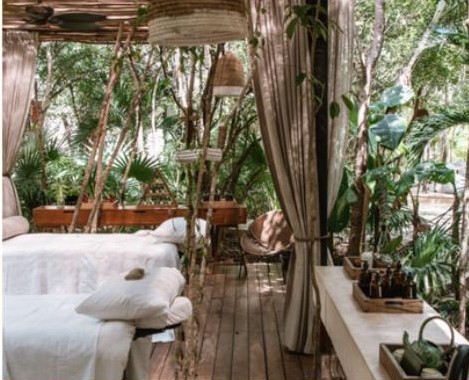
Yoga classes ₱500–800, massage ₱800–2,500, sound bath ₱800–1,200. Outdoor gym free for guests.
Island hopping, diving, surfing, kiting packages and lessons, permaculture classes, natural building classes, cooking classes, bike & land tours, volunteering and more.
All-inclusive stays: 3D2N Retreat, Farm & Wellness Workshops, Surf+Stay+Yoga, Kitesurf+Stay+Wellness, Permaculture/Natural Building for Students, Volunteer programs.
The Site
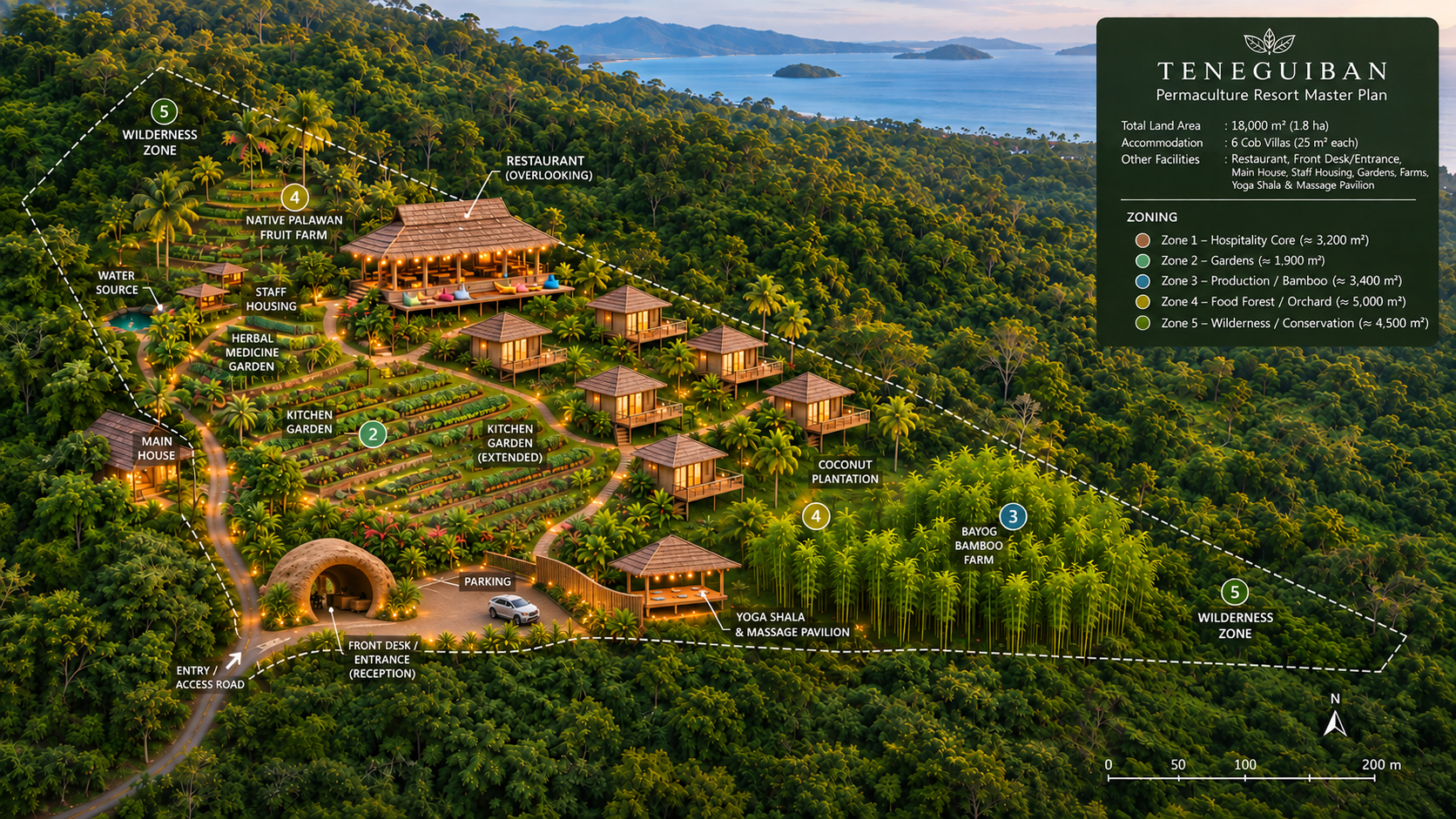
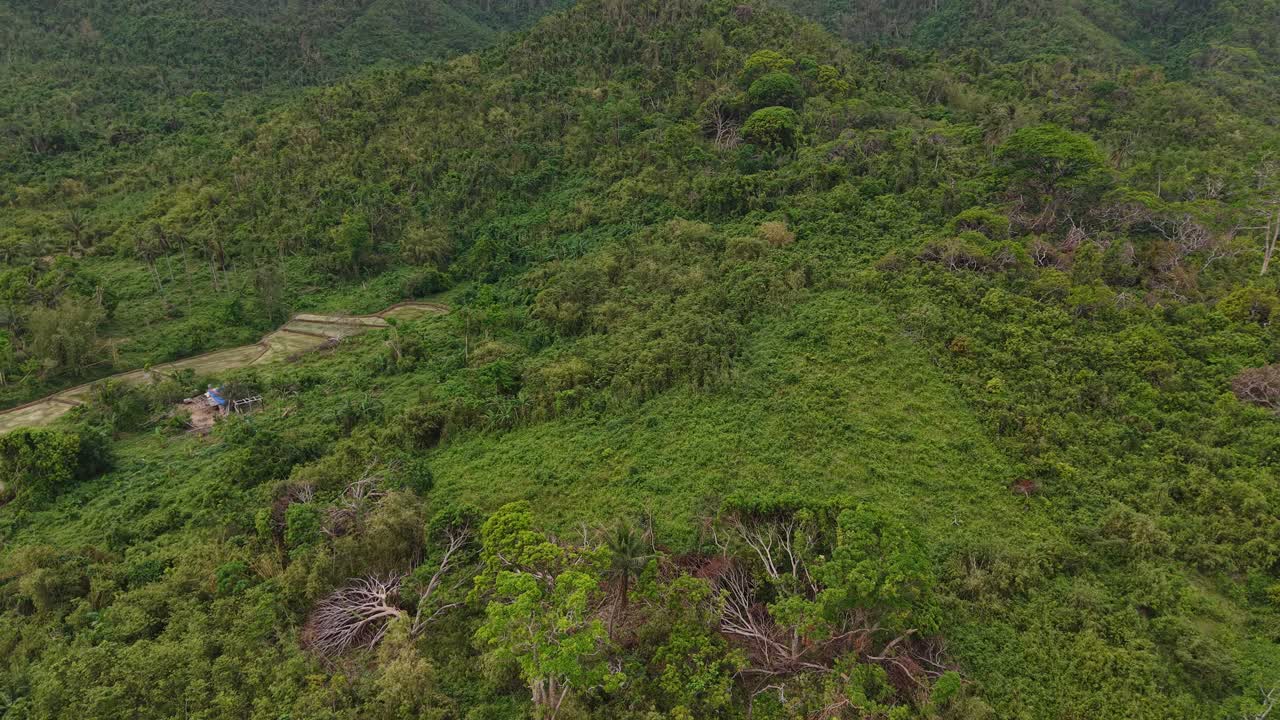
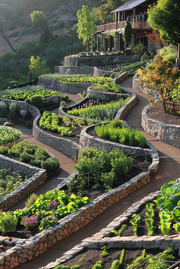
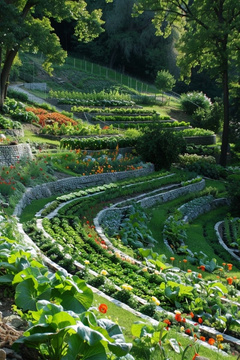
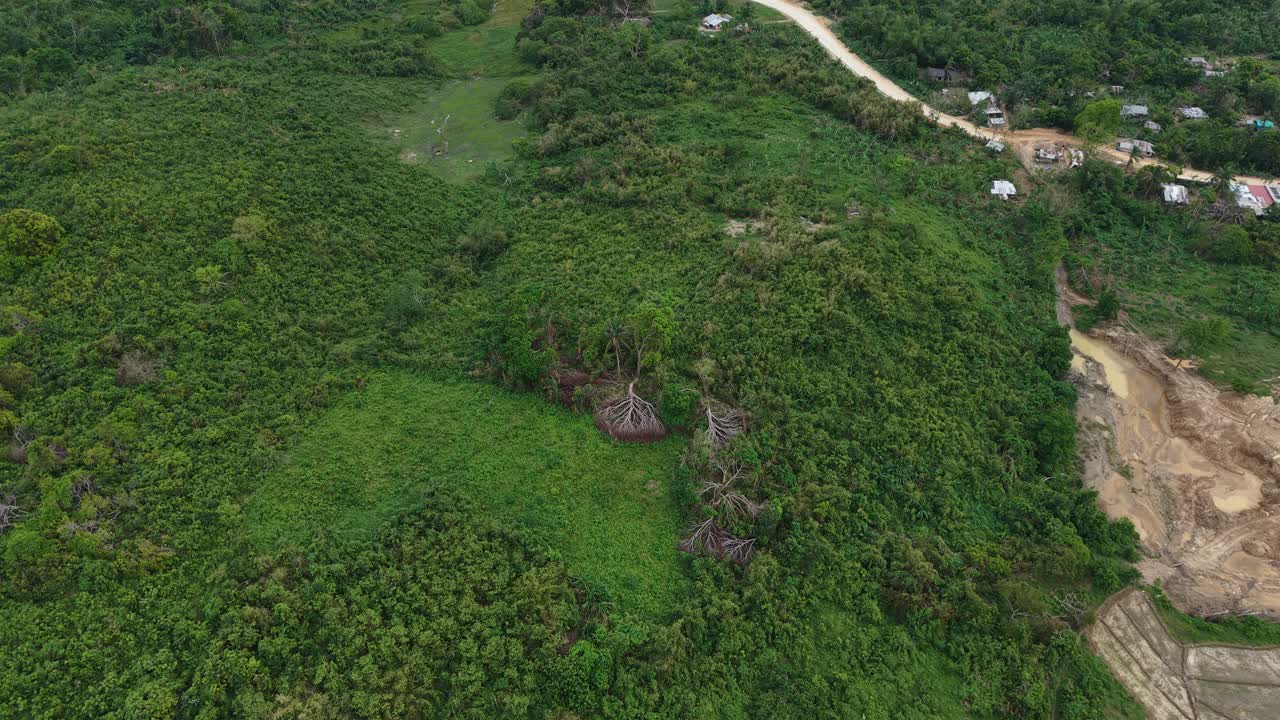
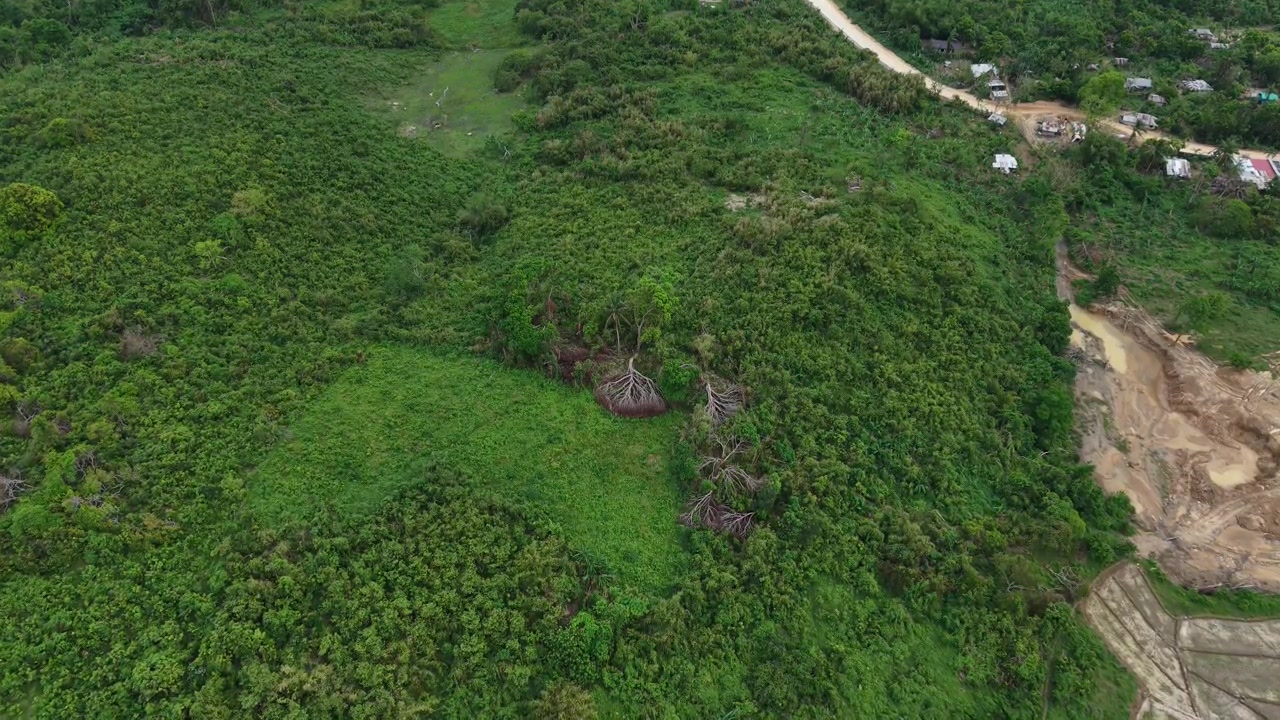
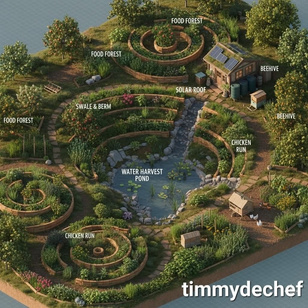
Terraced permaculture zones, a winding entrance path, and clustered earthen huts follow the natural contours of the property — minimizing excavation and maximizing views over the valley and coastline.
Guest huts positioned along the ridgeline for privacy, shade, and overlooking views.
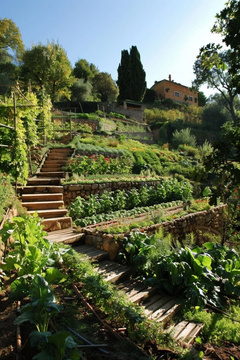
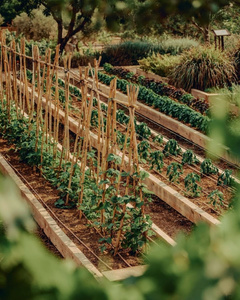
Terraced permaculture farm zones supply the restaurant and demonstrate regenerative growing methods.
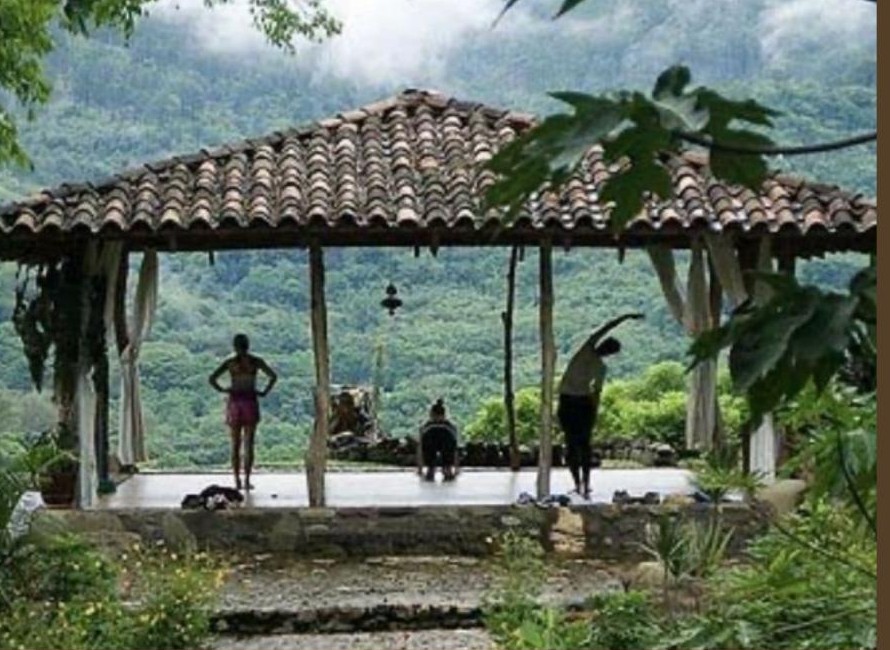
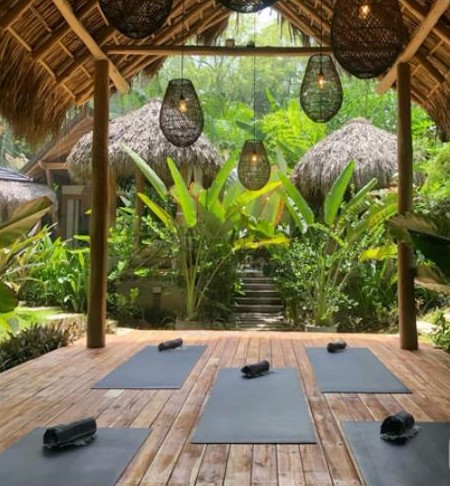
Central wellness & gathering areas connect the restaurant, spa, and yoga shala.
A single winding access road reduces land disturbance and keeps the site quiet and secluded.
Development Timeline
A real, month-by-month build plan — starting with an October 2026 site visit and breaking ground on the first guest hut in January 2027.
Multi-day site visit by permaculturist Ala and architect Amon for data collection, permaculture and property design ideas, and materials planning.
Zoning plan for the permaculture design received from Ala to allocate zones for structures. Guest hut and restaurant design finalized with Amon.
Move to Teneguiban full-time. Solar phase 1 (power tools, water pumps, lights.) Break ground on the first guest hut. Possible paid permaculture workshop with the local community. Set up swales, terracing, greenhouse and plant beds.
First guest hut hopefully finished. Continue building the remaining three guest huts and restaurant. Begin planting farm crops and trees.
Second phase of solar installation — enough for kitchen appliances and higher wattage, possibly AC. Continue construction.
Still Being Determined
Deck & Photo Library
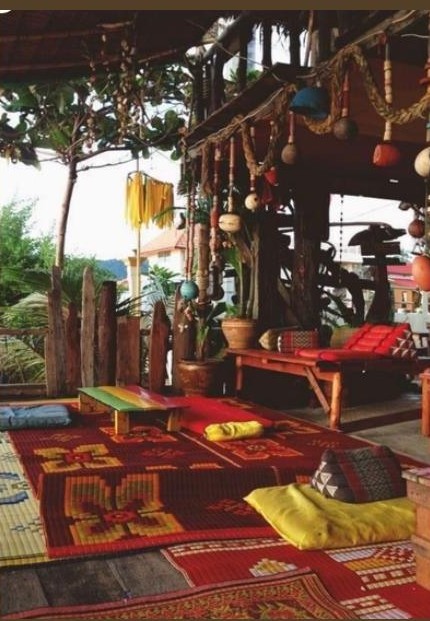
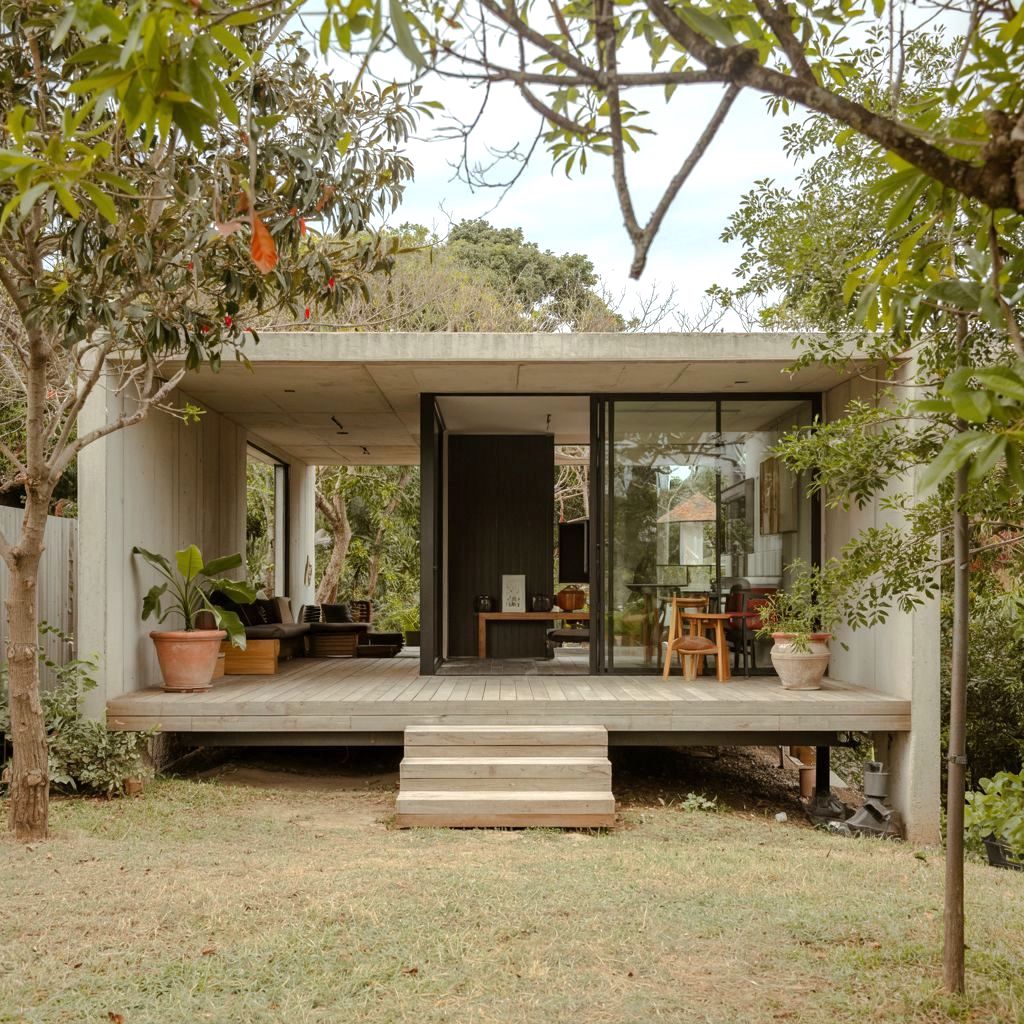
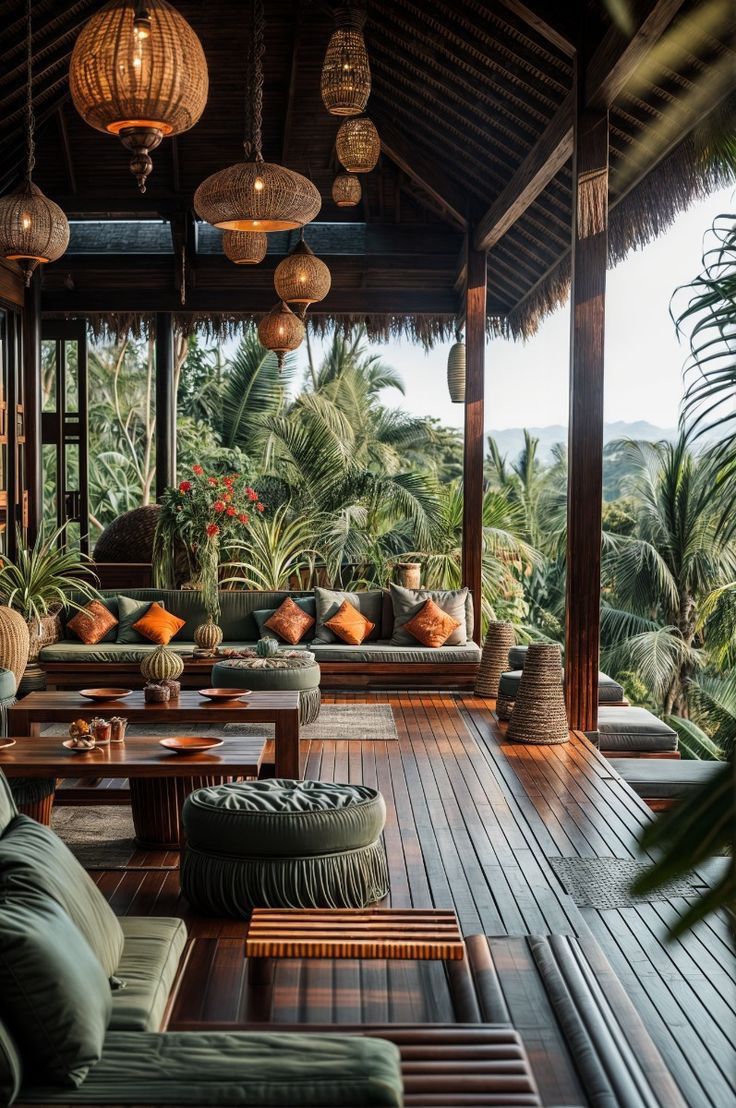
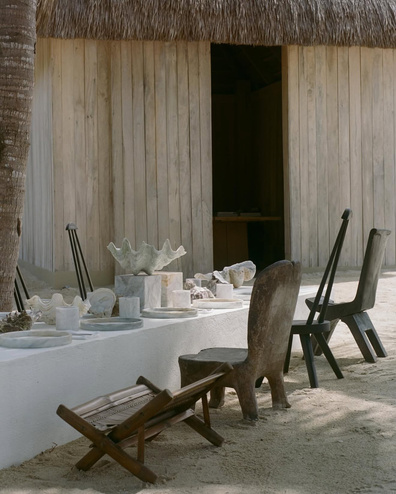

The Founders
ATOA Village is being built by two founders with deep, complementary roots in Palawan's hospitality sector — combining over a decade of hands-on operational experience with strong marketing, design, and community-building skills.
Guest Experience, Design & Wellness
Carolina grew up immersed in dive resort culture around Manila, Batangas, Dumaguete, Boracay and El Nido, with her father spearheading a recreational and technical scuba diving school in Manila (Divers Network). She completed her secondary education in Australia before returning to the Philippines on a scholarship in interior design, with personal studies in environmental sciences, volunteering with NGOs around Dumaguete and opening an online zero-waste store. She subsequently qualified as a dive instructor and worked in well-regarded resorts in Dauin, Dumaguete, then joined Unyoked — a growing Australian travel start-up specialising in remote cabin and villa stays — as a key client-facing team member in a small, high-dependency environment. She later brought her experience back to El Nido, where she has managed a resort, villas, restaurant, and wellness centre for the same hospitality group as Quinn, overseeing approximately 50 staff with significant operational independence.
Operations, Strategy & Marketing
Quinn began his hospitality career in concierge services at the Ritz-Carlton in the Cayman Islands before relocating to Palawan. He managed and grew a scuba diving centre within a 5-star resort in Coron for three years, before moving to El Nido to manage a high-volume hostel and restaurant operation with approximately 45 staff. He was subsequently promoted to Location Manager overseeing all El Nido properties for a boutique hospitality group — including a resort with villas and wellness centre, two restaurant concepts, and a travel and tours operation spanning local and international packages — with a combined team of approximately 90 staff across all levels. Quinn also brings a background in digital marketing, website development, and brand strategy, having built and grown online presences for hospitality businesses throughout his career.
Design & Build Collaborators
Both are established, respected names in their fields. The founders are also active members of Kamalaya-an, a growing Philippine collective of natural builders, permaculturists, and educators building a network for workshops and community projects nationwide.
Together, Quinn and Carolina bring an acute understanding of the local workforce, the rhythms and logistics of remote island operations, and the political and regulatory nuances specific to El Nido. Their combined skills — from F&B and accommodation management to design, marketing, teaching, and farm-to-table programming — make them uniquely qualified to execute this project.
Investment Opportunity
ATOA is seeking a primary investor for a ₱17,200,000 to fund construction of guest accommodations, the restaurant, permaculture farm, and off-grid infrastructure. The investor receives 85% of annual net operating income until the full principal is recovered, with projected payback approximately 5.8 years after operations begin. Upon full recovery of the investment, the distribution structure automatically flips to 30% investor / 70% founder. The founders retain full day-to-day operational control; this is a capital partnership rather than an operating role.
Use of Funds Total CAPEX ₱19,172,652
Untapped positioning — the first earthen, permaculture-led resort in El Nido, with no direct comparable on the island.
Diversified revenue across seven streams — rooms, dorm beds, restaurant, bar, wellness, tours, and farm/merchandise sales — not reliant on one income stream.
Priority capital recovery — 85% of net operating income is paid to the investor first, with projected full principal recovery in ~5.8 years. Post-ROI distribution structure flips to 30% investor / 70% founder.
Founders' skin in the game — the land down payment, fencing, and ongoing installments are funded independently by the founders, outside this raise.
Experienced, hands-on founding team — day-to-day operations run by founders with a decade of on-the-ground Palawan hospitality experience.
This page is for general informational purposes only and does not constitute an offer to sell, or a solicitation of an offer to buy, any securities or investment product. Figures marked "Draft" are preliminary placeholders pending confirmation by the founders and are subject to change. Prospective investors should conduct independent due diligence and consult independent legal, tax, and financial advisors before making any investment decision.